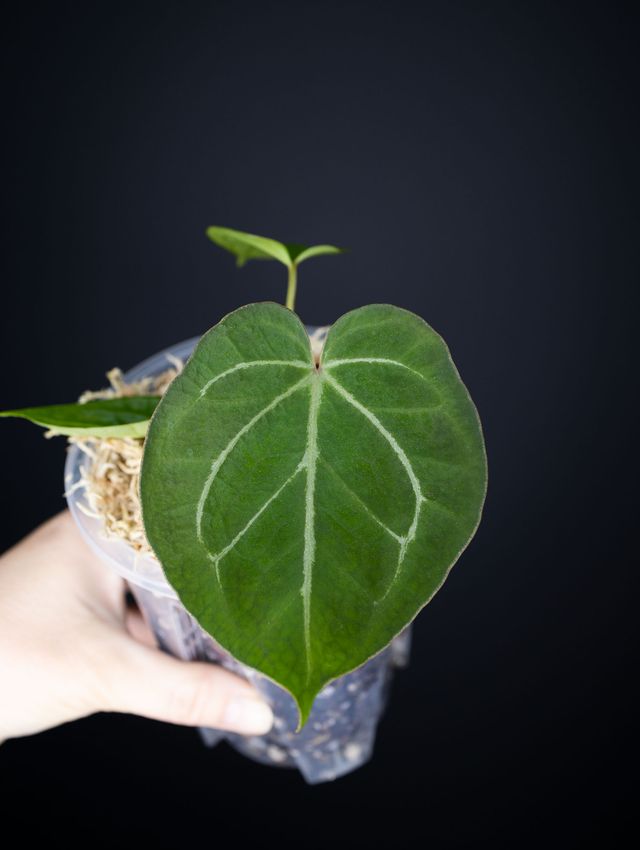
If you are thinking about buying plants from overseas for your collection or small plant business, this guide walks through the practical side of the process: brokers, direct imports, paperwork, inspection, costs, quarantine, and what happens after the plants arrive.
Have you ever scrolled through Etsy looking for one very specific "rare" plant and nearly choked at the price? You are not alone. That is actually how my importing journey started. I will be speaking from a U.S. perspective throughout this post since that is where I live and run my business. I also order in small quantities, not in bulk.
The same plant sold in the U.S. is often two or three times more expensive than buying directly from an overseas seller. And I completely understand why U.S. sellers charge more. It is not just the time and effort of acclimation. They also pay selling platform fees, import fees, shipping costs, and they inevitably lose some plants in the process. Those losses have to be covered somewhere. When you buy from a U.S. seller who does everything right, you are paying for all of that, and it is fair.
Unfortunately, not every seller acclimates imported plants before selling them. Some sellers chop and ship almost immediately. The plant is already weak from international shipping, and now it is being stressed again. On top of that, many cuttings come from very old vines where the axillary buds are dried out or may never wake up. Beginners do not know this, and they end up losing money on plants that were never going to make it.
For someone like me, building a collection and a small plant business, importing directly made more sense. More control, more variety, better prices. Even with all the risks.
My first import was from ahhoya.com. I wanted stock plants to work with. What I did not know yet was that longer vines do not necessarily mean a faster return on investment. Since then, I have built relationships with several sellers. One came through a friend's recommendation. One I found in a Facebook group about importing plants from Thailand. One, I reached out through DM on Instagram, and five years later, we are still working. Sometimes it happens by accident: a Hoya or Monstera enthusiast mentions a seller somewhere, I decide to try them, and the seller becomes one of my regulars.
Most recently, I have been exploring begonia sellers, too. One has been excellent: great communication and multiple successful orders. Another is from Ukraine, and I am currently waiting on a parcel. Fingers crossed.
Part 1 — The Easy Way: Buying Through a U.S. Broker
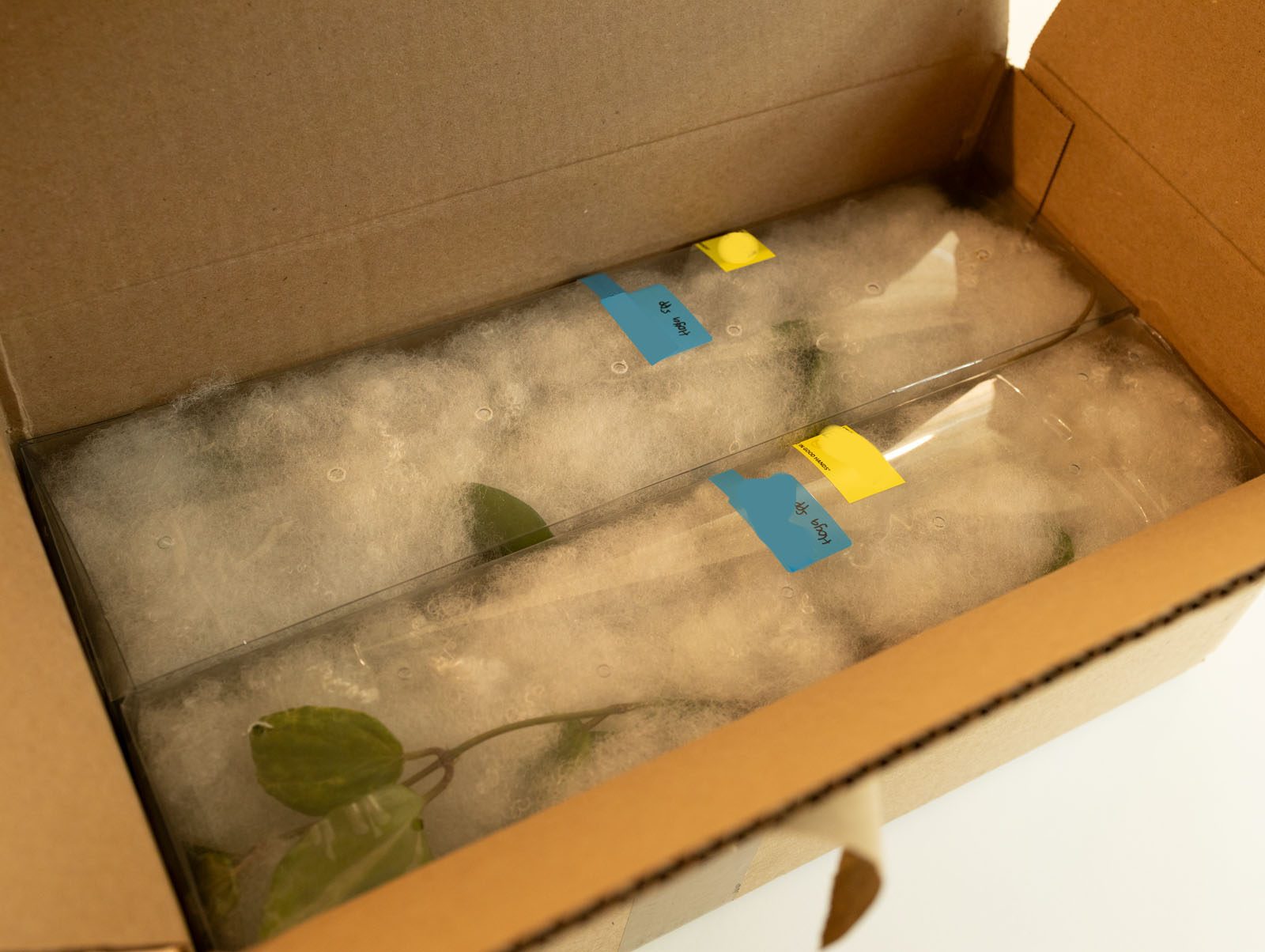
Due to the ongoing plant craze, many overseas sellers have found a smarter way to reach international buyers. For many people, buying plants from overseas through a broker is the least stressful version of the process. They have removed the biggest obstacles — import permits, customs paperwork, USDA inspection calls, shipping labels — by partnering with a plant business or broker in another country. That broker handles most of the complicated import process on their behalf. They repack plants for each buyer and send the shipments right away.
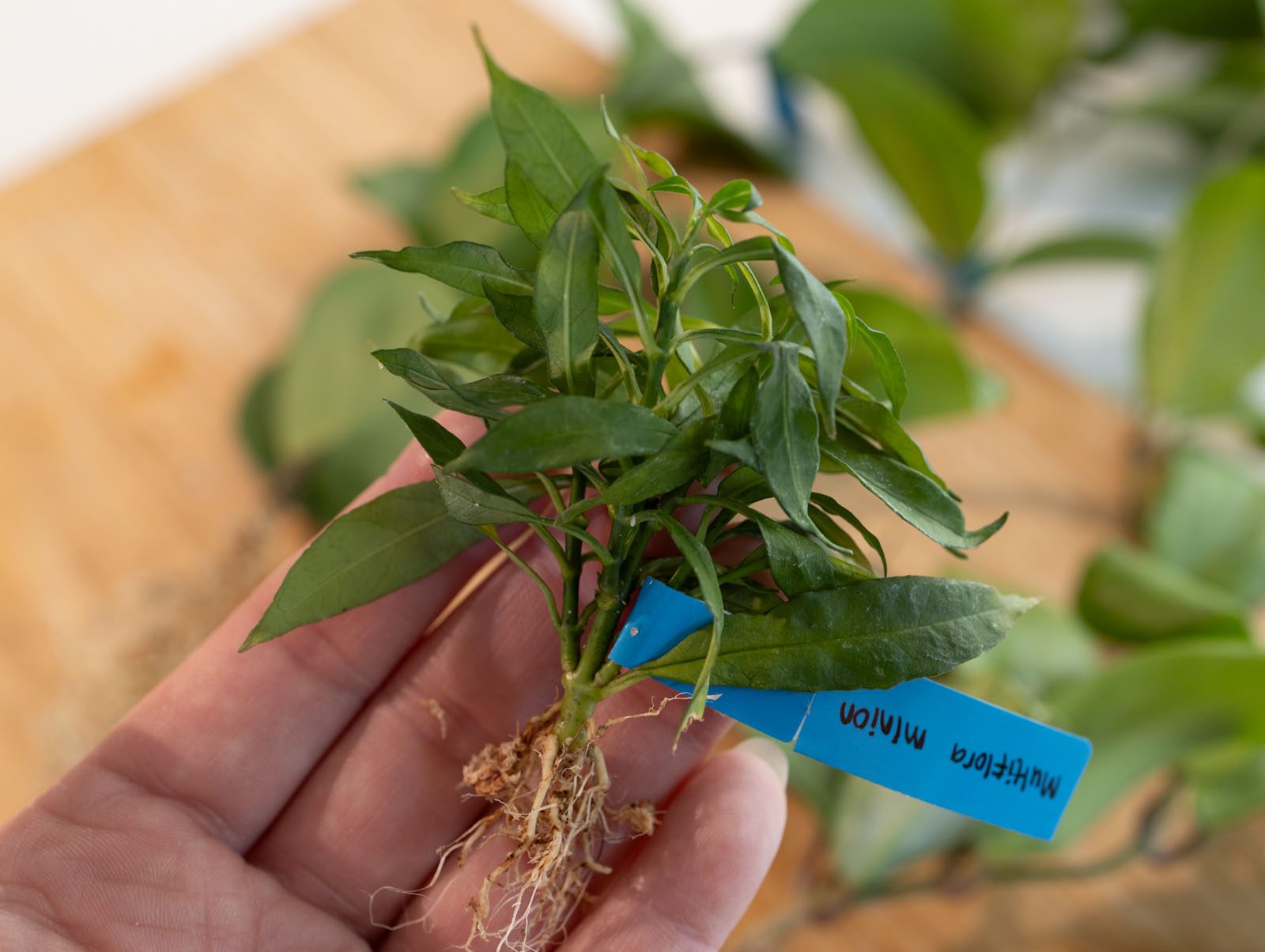
As the buyer, you simply pay the invoice and wait at your door. Often you will get an email with the local tracking number. Some sellers go even further and let you choose your preferred shipping service for the domestic part of the journey. I always choose UPS Overnight or 2nd Day Air. Depends on the "rarity" of plants — read: how expensive they are. Plants are perishable, and faster is better.
This route works for almost everyone. If your seller has a reputable broker partner, use it. There is no reason to add complexity to the process if it has already been handled for you. I have had only one issue with this method: a package arrived missing one plant. I contacted the seller directly and received it with my next order. Added reputation points to the seller.
When I order directly without a broker, I need to apply for an import permit and handle some of the process myself. The permit itself is free and straightforward, especially since I already have my Texas Nursery Certificate and all my documentation in order. In that case, I can usually have everything ready within a couple of hours.
But the rest of the direct import process — the nerves — is a different story. Sometimes paying a little more for peace of mind is absolutely worth it.
Part 2 — Buying Plants from Overseas Directly
When ordering directly, the first thing you need to understand is whether you need an import permit. For U.S. buyers, that usually means checking whether you need a USDA APHIS plant import permit before importing plants. For most plant imports, you will be dealing with USDA APHIS and the PPQ 587 permit. I will write a separate step-by-step guide on this process in a different post.
If you are ordering a very small number of plants, there may be an exemption. But do not assume. You still need to check the current APHIS requirements for the plant, the country it is coming from, and the type of shipment. Some plants have restrictions even if the shipment is small. Once you have your permit, you email it to your seller along with the green-and-yellow APHIS shipping label if your permit requires one. Your seller, on their end, needs to obtain a phytosanitary certificate for the shipment.
Most overseas sellers communicate through Facebook. Some use WhatsApp or email. The sellers I work with directly usually send me photos of available plants with prices. I can also request specific varieties. Many sellers are not growers themselves. They work with local growers, so sometimes there is a little back and forth while they check availability. There is usually a little room to negotiate. Once we agree on the order, I pay and wait.
How to Find a Trustworthy Seller
A side note: what keeps me less anxious while ordering plants? I have my own mental approach to this: once I pay, I consider the money and the plants gone. It makes ordering and waiting much easier. 😑
A few things I look for:
Clear communication is the first good sign. I always look for reviews. Reddit can help. If the business is more or less known, people will talk. Be careful with plant websites that look like they were all built from the same business template. Identical policies, identical descriptions, even identical plant photos. That is a red flag. I want a real person behind the business, not a copy-paste operation. If it is my first order with a seller, I ask a lot of questions before committing.
Things like:
- Do you have experience shipping to the U.S.?
- Do you provide a phytosanitary certificate?
- What payment methods do you accept?
- What happens if plants arrive damaged?
I will add a full list of questions at the end of this post.
If I can pay with PayPal Goods & Services, I will. It offers some buyer protection. And I never place an order for an amount I cannot afford to lose — even with my "money is gone" mindset. I also check their social media accounts if they have any. I do not share my sellers publicly. Those relationships took years to build, and I want to protect them. But if you are curious and persistent in your research, you won't have any trouble finding one or a bunch.
Part 3 — The Paperwork
The paperwork sounds intimidating at first, but once you understand the steps, it becomes much easier to follow. The exact process depends on what you are importing, where it is coming from, and what your permit says. Always check the current APHIS requirements before ordering. Before you order, check the official USDA APHIS plant import information, APHIS eFile, and the APHIS guide for buying plants and seeds online. Rules can change, and your seller's experience does not replace checking the current requirements yourself.
The Green-and-Yellow APHIS Label
When your import permit requires a shipping label — and many do for courier shipments through DHL, FedEx, or UPS — you need to provide your seller with a green-and-yellow APHIS label, also known as PPQ Form 508. You download it directly from the USDA APHIS eFile system after your permit is issued. Each label has a unique barcode and shows the address of your designated Plant Inspection Station.
This label tells DHL, UPS, or FedEx exactly where to deliver the package first: to the inspection station, not to you. My assigned inspection station is either Nogales, Arizona, or Humble, Texas. The package goes there, gets inspected, and then will be forwarded to my home address. That is why you need the domestic shipping label: the inspection station as the origin and your home as the destination.
Your seller must print the APHIS label in color and attach it to the outside of the box. This is important. The label must be on the exterior and clearly visible. If it is inside the box, damaged, or unreadable, the package can be delayed or refused entry.
Lesson Learned the Hard Way
During one of the latest imports, my seller did not protect the label, and it arrived at the station completely wet and unreadable. It was inside the box with plants, just a piece of regular paper. I had to reprint it and email it to the inspector. That caused a three-day delay. The package arrived on Thursday, was inspected on Friday, and the inspector emailed me at the end of Friday asking for the label. By then, it was the weekend.
The plants spent the entire weekend at the inspection station. In addition to the whole week of being in transit. I will tell that full story another time. That particular shipment had a lot of complications and we haven't resolved the issue with the seller yet. The takeaway: remind your seller to protect the label to prevent unnecessary issues and delays.
The Domestic Shipping Label
To create the domestic shipping label, I use Shippo. It is a straightforward online shipping platform. And I already have a business account with them. You create a label with the inspection station address as the origin and your home as the destination. Once created, you email it to your seller to include inside the box. Protected. Always protected. We are not doing soggy paperwork. The inspector uses that label to forward the package to you after the plants are inspected and cleared.
Extra DHL Fees
A lot of the time, I get charged additional fees by DHL on international shipments. These are usually customs clearance and processing fees. DHL acts as a customs broker on your behalf and charges for that service. It is not always clearly explained upfront, but it is a real cost to factor into your budget. The amount varies, but do not be surprised when it shows up. They will send an email with an invoice to pay. Until you do, your package is stuck and won't move. Pay as soon as you can or it will be delayed.
Part 4 — The USDA Inspection
DHL delivers your package to the inspection station. You can track the DHL shipment and know exactly when it arrives. When it does, and if I do not hear anything by the end of that day, I call the station directly. I prefer calling over waiting for an email. It is faster, and you get real answers. They can tell you whether your package is in the queue, whether it has already been checked, or whether something is missing. Get your tracking number, your name, and your delivery address ready to provide to the inspector. I assume you know that info.
If everything is clear, they forward the package to your home using the domestic shipping label you provided. I track that part with the tracking number from the Shippo label I purchased for that last part of the way. If they find pests, disease issues, or root nematodes, they will contact you. Those are rare cases. Infected plants will be destroyed. This happened to me once with a seller I never ordered from again.
I have a one strike rule… with rare exceptions.
One Practical Tip
Do not wait.
If your package arrived at the station and you have not heard anything that day, call them during working hours. Finding the right phone number can take some digging. There is usually a general USDA number, but ask them to give you the direct number for your specific station.
Write it down somewhere. You will likely need it again.
Part 5 — Costs to Expect if Your Seller Has a Broker
There is no single answer to how much it costs to buy plants from overseas. It depends on your seller, the plants, the shipping method, and how much of the process they handle for you.
Here is what you can generally expect to pay.
The Plant Itself
The price per plant varies a lot depending on the seller's setup. Some sellers who work with a broker add a per-plant fee on top of the plant price to cover import logistics — permits, phytosanitary certificates, customs clearance, and domestic forwarding. That fee usually goes down the more plants you order. The first few plants in an order cost more per unit than if you order more. Each seller has their own tier. Some sellers offer a single all-inclusive price per plant. You see the photo, you see the price, you comment "sold" if it works for you. Simple and transparent.
Shipping
International shipping may be included in the invoice, or it may be listed separately. It depends on the seller. If you want faster domestic delivery from a broker — UPS Overnight or 2nd Day Air, for example — you pay extra for that. For live plants, faster is almost always better.
Optional Extras
Some sellers will ask if you want additional insulation or a heat pack added to your box. These cost extra and get added to your invoice. In cold months, this is not really optional. Do not order during winter, though. Or in the middle of a heat wave. Focus on what you already have during this unfavorable time for shipment. Plants will be there next time, maybe (definitely) even cheaper.
What Is Free
The USDA import permit itself is free and valid for several years. Still, always check the current APHIS requirements before ordering because rules and forms can change.
The Cost Nobody Talks About — Time
This is the biggest one and the least discussed. Plants arriving from overseas are almost never in sellable condition immediately. They need time to rehydrate, recover, adjust, and grow new roots. Some need weeks of rehabilitation before they look presentable.
If you are buying to sell, factor that time into your pricing. Many sellers do not bother. They list plants as "fresh import, order at your own risk" or mention "imperfections." At least when they say that upfront, you know what you are getting into. I have specific requirements for what I consider sellable. That means more time in rehab and fewer plants moving quickly. It is a choice, not a mistake.
Do I earn less than most of the plant sellers?
Definitely.
Am I going to lower my standards?
Definitely not.
Part 6 — When Plants Arrive
Film Everything
Before you open the box, set up your phone on a stand and hit record. From the moment your butcher knife touches the packing tape to the last plant being unwrapped, film all of it. This is your proof of the condition the plants arrived in, in case there is a dispute with the seller. It is also genuinely interesting content if you share your plant journey online.
What to Expect Inside the Box
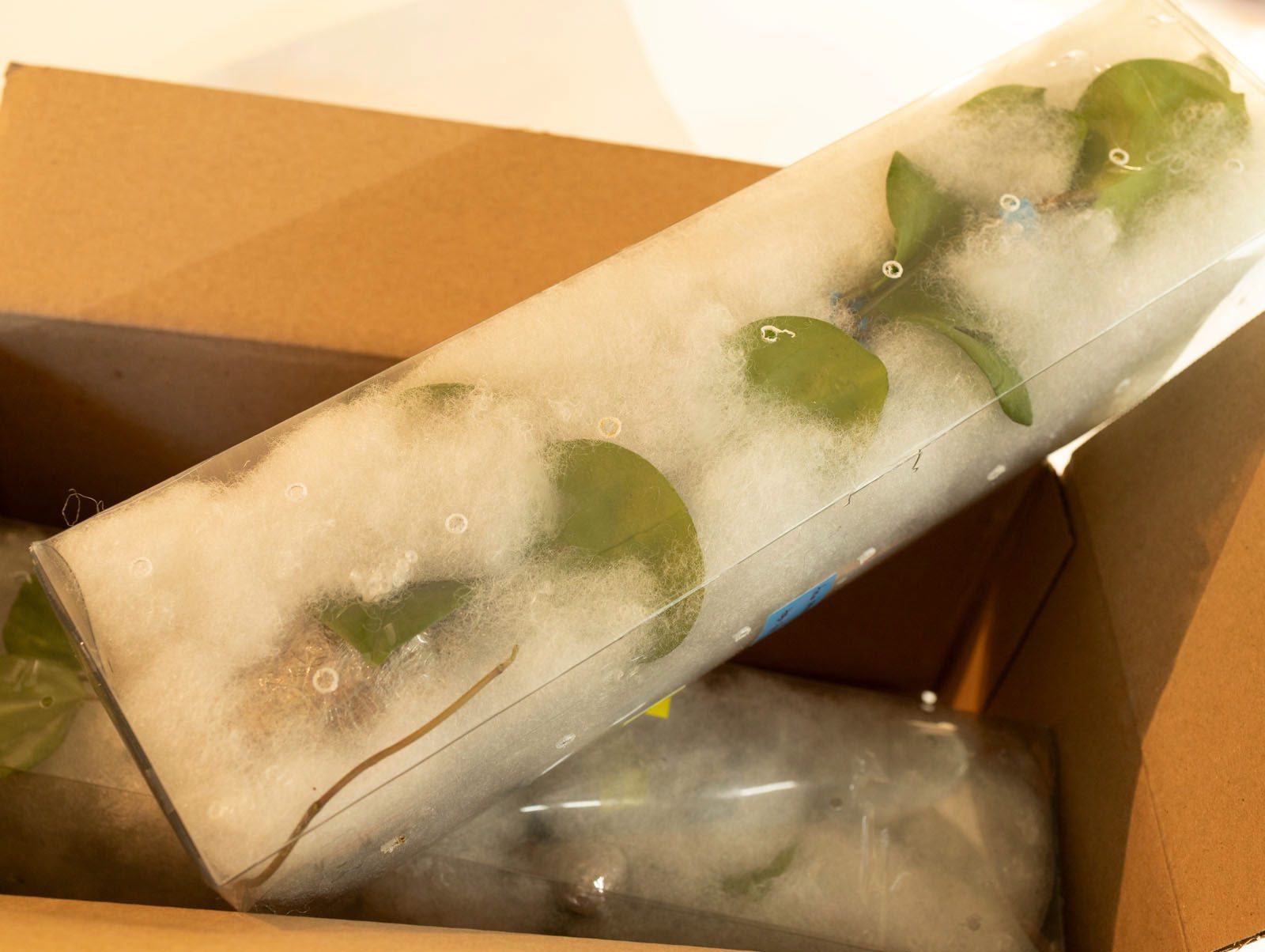
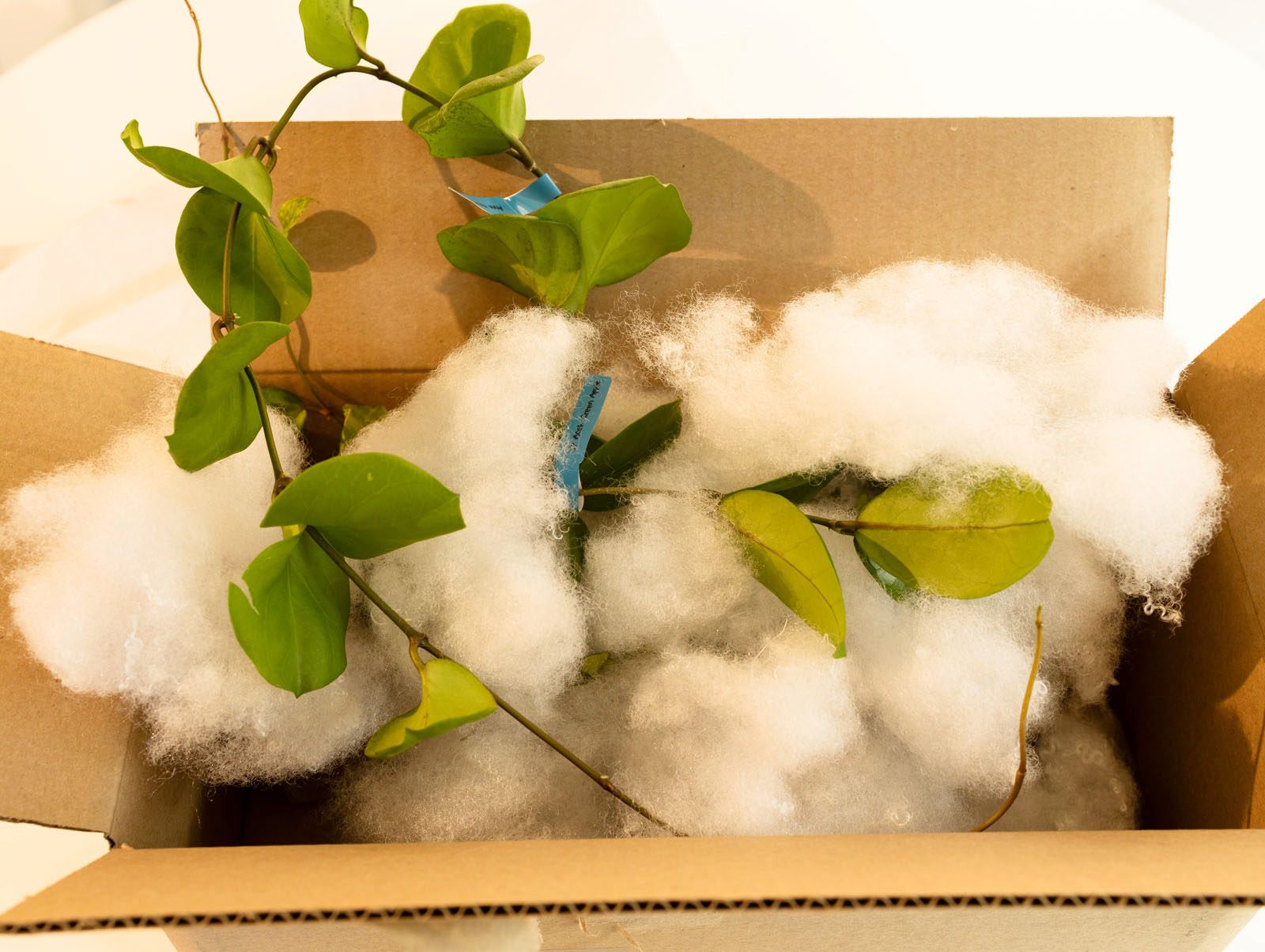
Surprise. You never know. Plants can arrive dehydrated, rotted, broken, yellowing, losing leaves, or completely fine and even in bloom. Even the most careful seller cannot control what happens during transit. Do not panic at first glance. Some plants that look terrible on arrival recover beautifully. Some that look fine decline later. Lower your expectations and do what you can to help them stay alive.
Unpacking and First Steps
Remove all wrapping immediately — paper, plastic, anything around stems and leaves. Plants need to breathe.
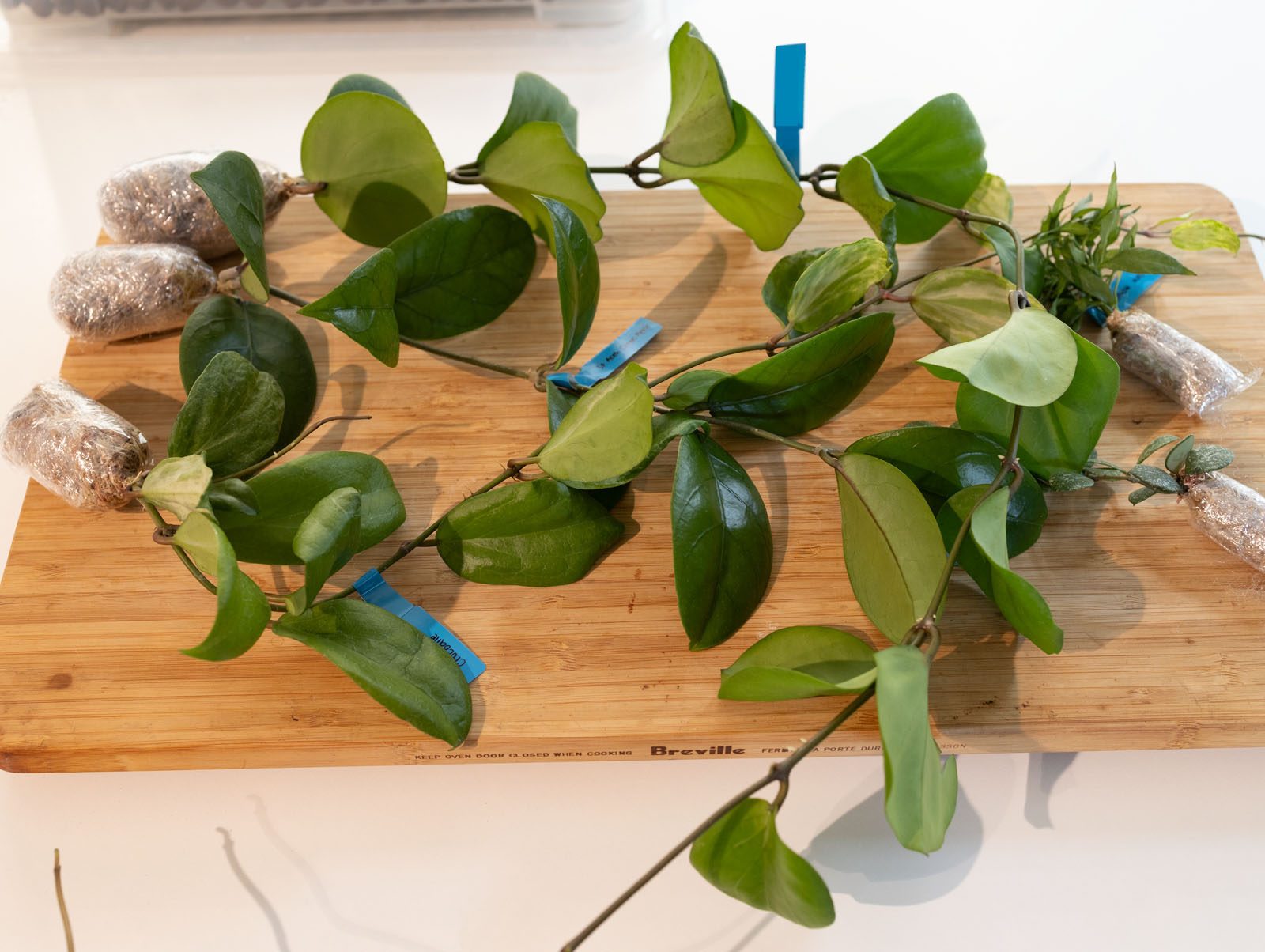
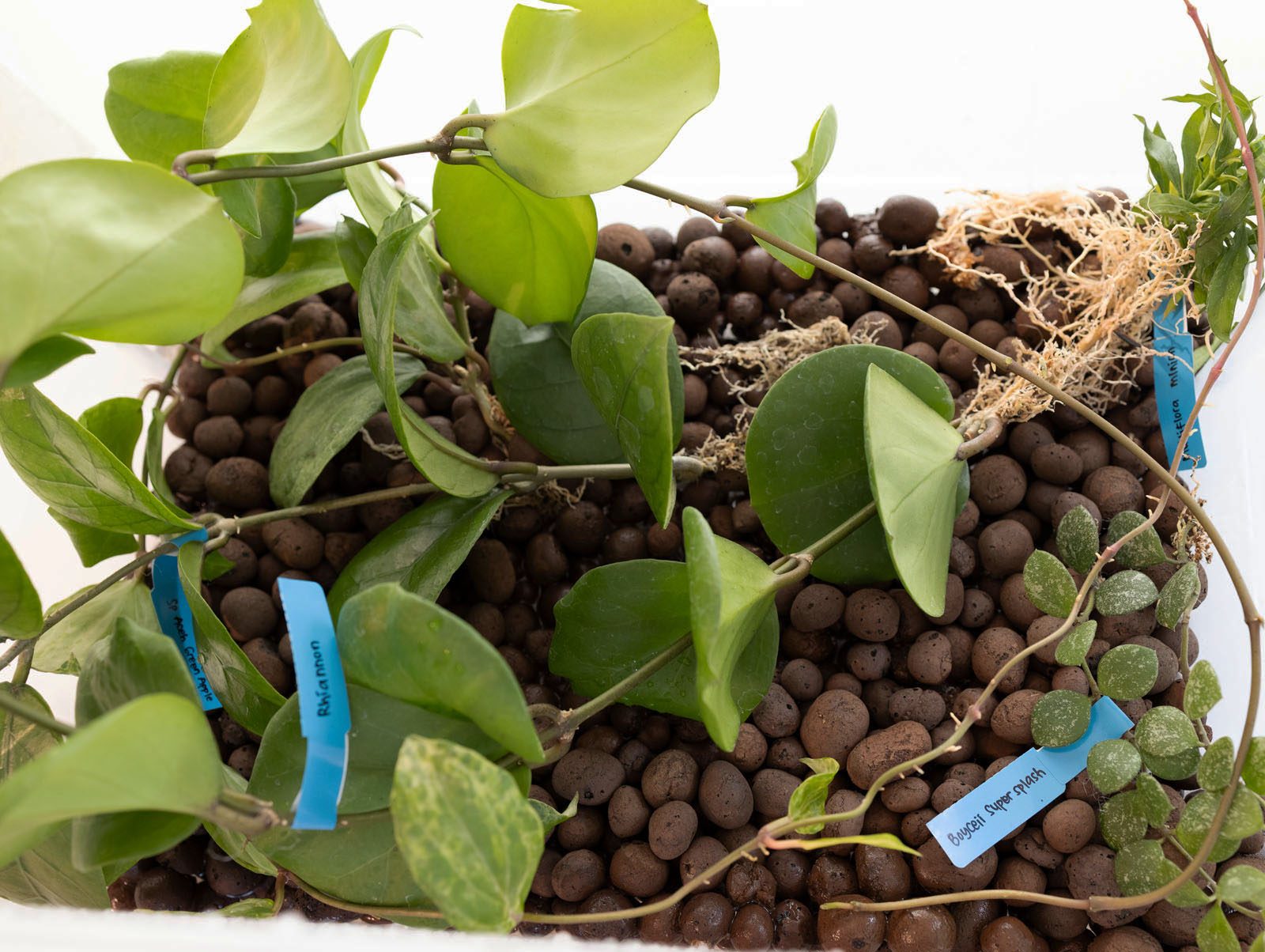
For Hoyas, I place them in a transparent box filled with LECA and a little water at the bottom. Lid on, into a warm, bright spot for a couple of days. The humidity helps them rehydrate without the stress of immediate potting. Plants do not touch the water to avoid rotting. Open the lid a couple of times a day.
For aroids, I cut off all rotten roots, yellowed leaves, broken parts, and anything suspicious. Larger plants go into tall IKEA boxes for quarantine, with the roots — or what is left of them after cleaning and letting them dry for a couple of hours — sitting in cups with damp LECA.
Quarantine Is Not Optional
I have found mealybugs on fresh imports more often than I have found on my own plants in years. How they survive pesticide baths, international shipping, temperature changes, and weeks in transit, I have no idea. But they do.
Keeping new arrivals completely separate from your existing collection gives you time to spot an infestation before it spreads. A few days of observation can save your entire collection from a nightmare outbreak. After several days, if a Hoya looks stable, I cut it into pieces to propagate.
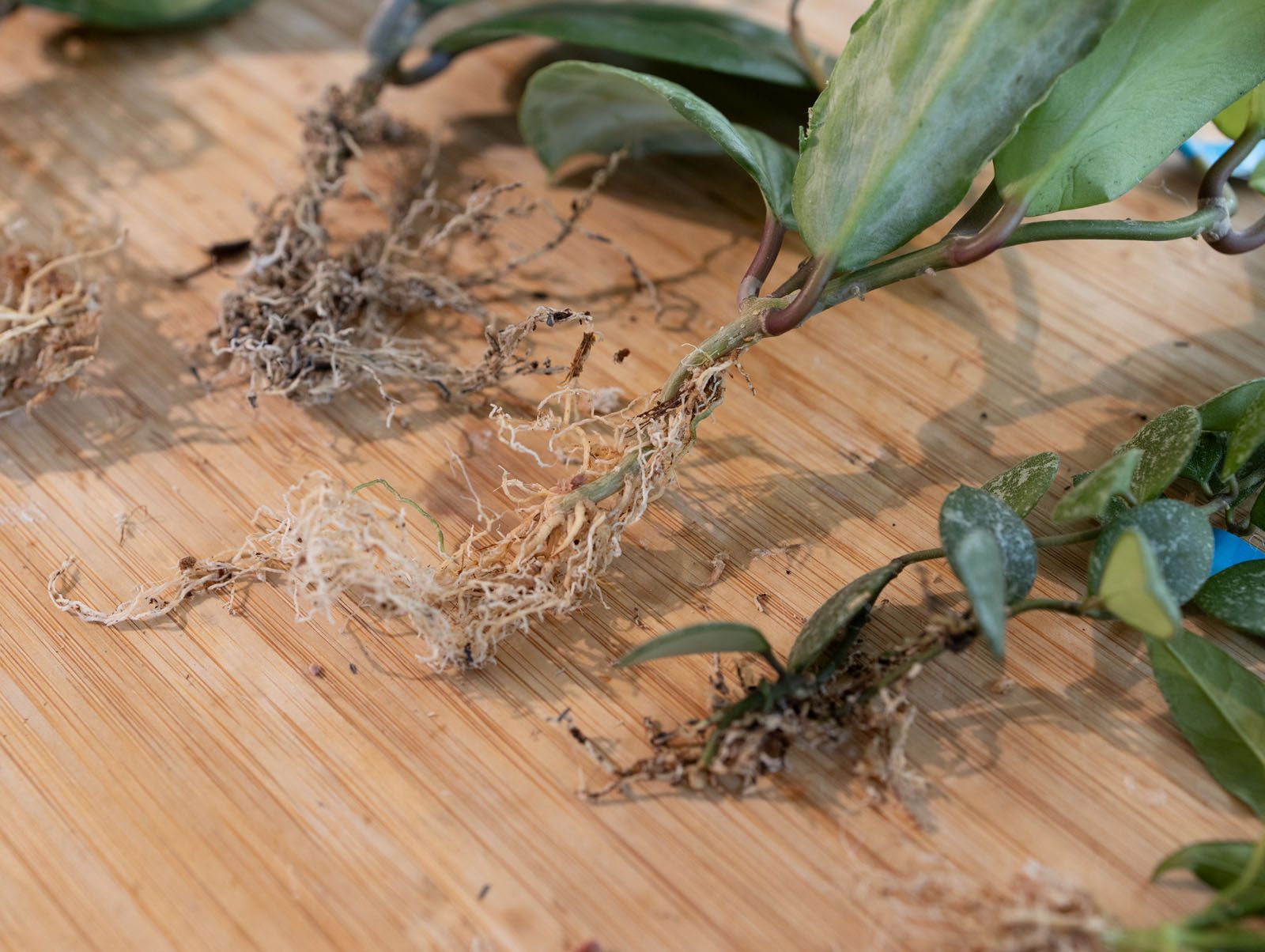
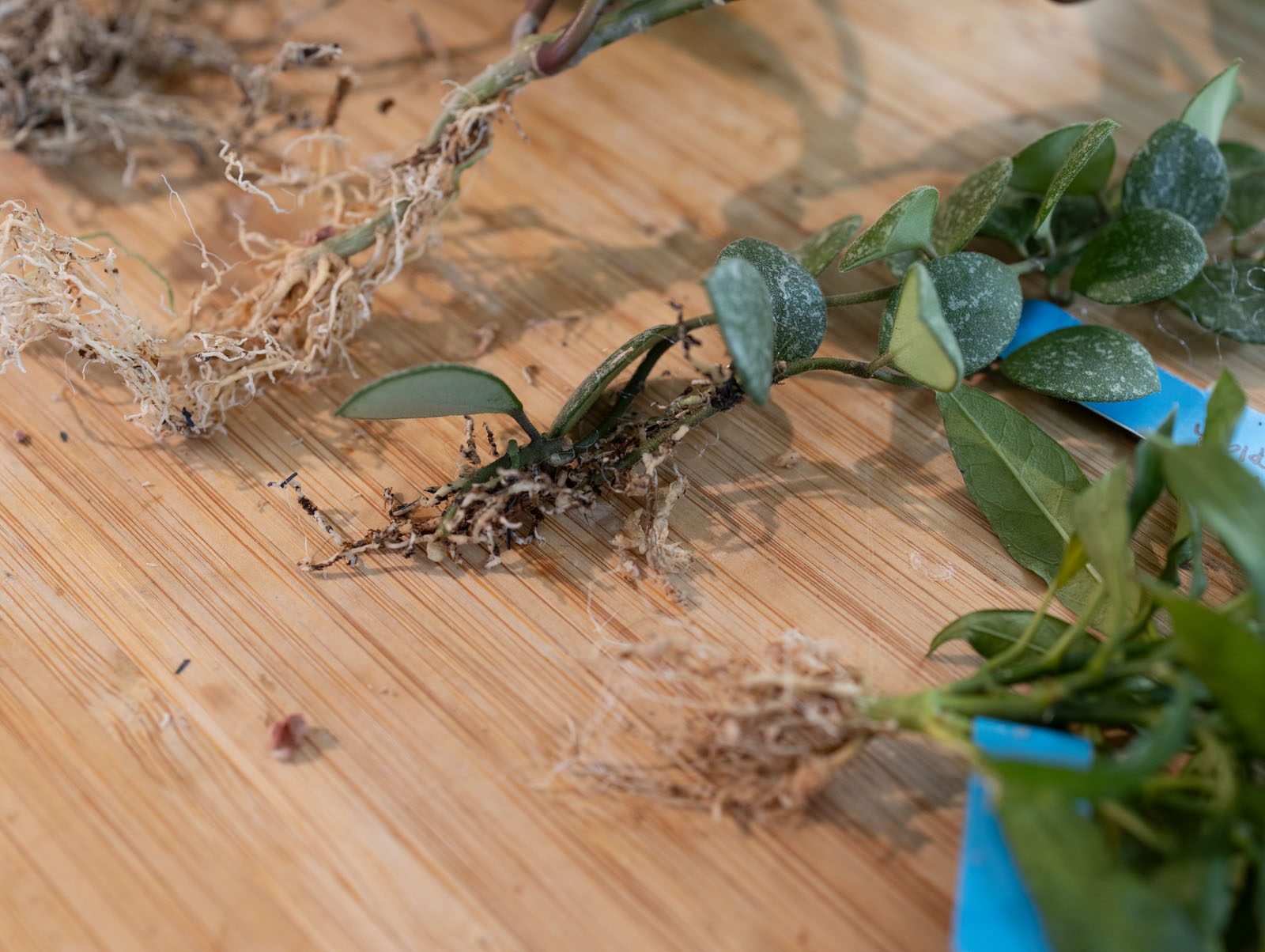
As I have mentioned in other posts, this is almost always the best approach. The roots plants arrive with are usually not viable. They often rot faster than the plant can grow new ones. Starting fresh with clean cuts gives the plant a much better chance.
If you want more details about the medium I use for Hoyas long-term, I wrote more about my Hoya soil mix in another post. (I did change it slightly in 2026, and will write about it in later posts.)
Part 7 — Is It Worth It?
Hm... yes.
For me, buying plants from overseas has been worth it, but only because I treat it as a long-term project, not a quick shortcut. Importing is one of the most exciting parts of this hobby and business. Yes, it takes some nerves. Yes, things go wrong sometimes. But when a box arrives, and the plants look so good you have to pick your jaw up off the floor, there is nothing quite like it. Well, the only thing that beats that feeling is kind reviews from my customers. But that sensation is on another level. Thank you, my wonderful plant people 💚
Finding the right seller match changes a lot. Import experience improves your plant skills, your business, and your confidence in the whole process. That relationship is worth more than any single order. That said, a few warnings before you dive in. If you grow at home as I do, space becomes a problem faster than you expect. Be selective from the very beginning. Cherry pick. Choose plants you genuinely want, not everything that looks interesting in a photo. Research how to rehab this genus. You will thank yourself later.
Plants will almost always look worse than in the seller's photos. That is just the reality of shipping live plants across the world. It takes weeks — sometimes longer — to get them back to looking their best. If you are buying to sell, the return on investment will not happen in a month. Prices on plants also drop over time, sometimes significantly. Factor that in.
My advice: choose plants you would replace if you lost them. Choose varieties that excite you personally. If you run a business, also keep an eye on what sells consistently, not just what is rare or trendy right now.
And one last thing: Do not, I repeat, do not buy every plant there is.
Questions to Ask a Seller Before Your First Order
Before placing your first order with a new overseas seller, ask a few questions first. It does not have to feel like an interrogation, but you do want to understand who you are buying from and what happens if something goes wrong.
Here are good questions to start with:
- Are you a grower or a middleman? Do you work directly with growers?
- Can you provide a current price list or availability list?
- How does the ordering process work? Do you send photos, or do I request specific plants?
- Do you handle all the paperwork, including the phytosanitary certificate and customs documentation?
- What is included in the price, and what is charged separately?
- What is the shipping cost to your country?
- Which courier do you use?
- Do you offer faster domestic shipping options, and at what extra cost?
- What is your minimum order value or minimum number of plants?
- How long does the process typically take from order to delivery?
- What payment methods do you accept?
- Is PayPal Goods & Services an option?
- Do you offer insulation or heat packs for cold-weather shipping? At what cost?
- How do you pack bare-root plants?
- What is your policy if plants arrive dead or severely damaged?
- Do you offer replacements or credit on future orders?
- Can you share reviews or references from other buyers?
- Do you have social media accounts or a website I can look at?
- How do you prefer to communicate — Facebook, WhatsApp, Instagram, or email?
First Message Template
Feel free to copy this and make it your own:
Hello,
My name is [Your Name]. I found your nursery through [Instagram / Facebook / a friend's recommendation].
I run a small private plant nursery in [State], USA, and I am currently looking to import [specific plants / Hoya varieties / general plant types]. Before placing an order, I wanted to reach out and ask about your current availability, pricing, and ordering process.
I have experience importing plants into the United States and can provide the required import documents if needed.
Could you please let me know what you currently have available, your minimum order requirements, payment options, and how you usually handle international shipping?
Thank you, and I look forward to hearing from you.
Best regards, [Your Name]